Quote
"Virtue itself does not have the same characteristics for all; we see good and evil change according to opinions and usages."
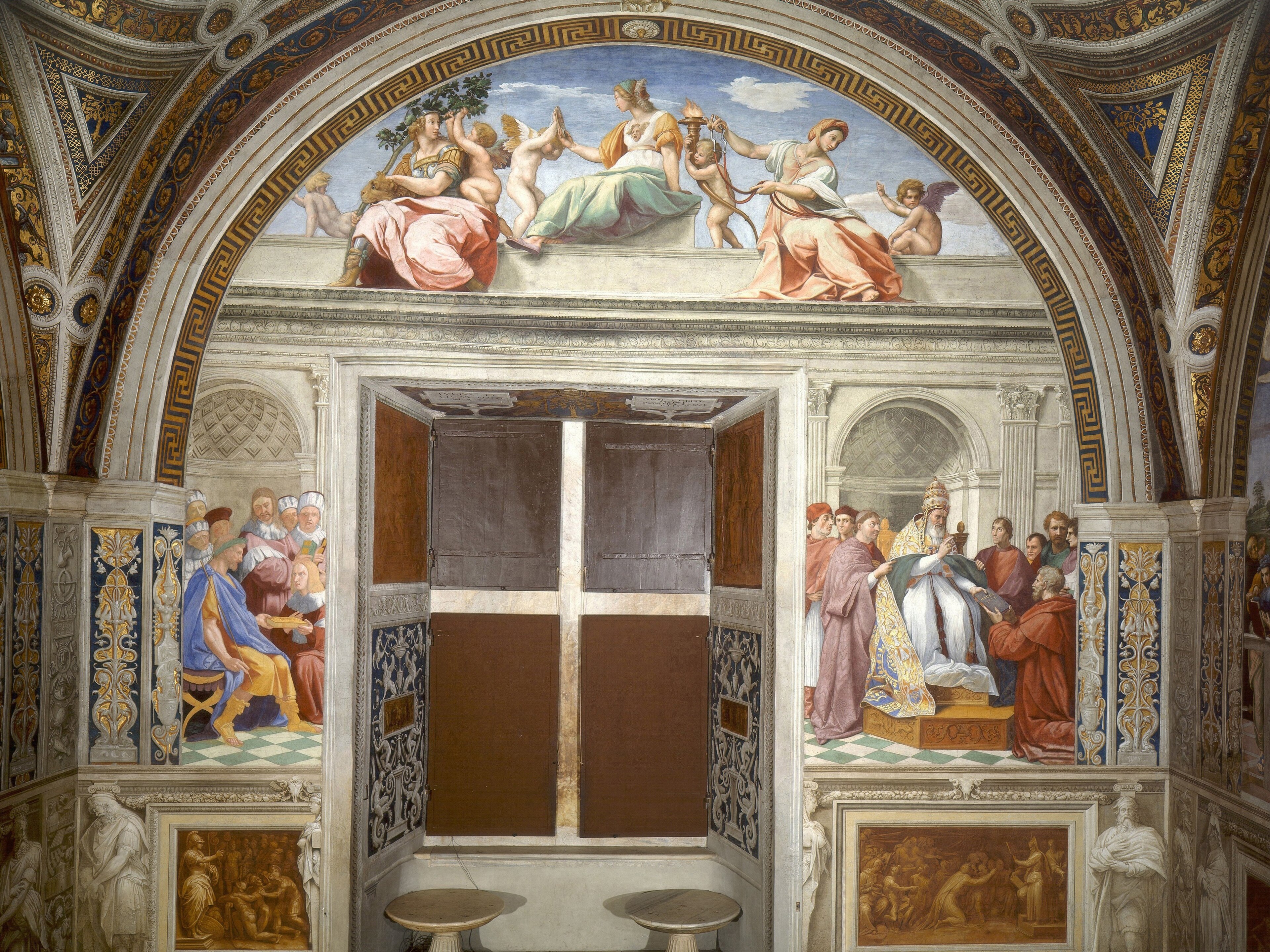 Virtue
"We really seek intelligence not for the answers it may suggest to the problems of life, but because we believe it is life,—not for aid in making the will of God prevail, but because we believe it is the will of God. We love it, as we love virtue, for its own sake, and we believe it is only virtue’s other and more precise name."
A virtue is a trait of excellence, including traits that may be moral, social, or intellectual. The cultivation and refinement of virtue is held to be the "good of humanity" and thus is valued as an end purpose of life or a foundational principle of being. In human practical ethics, a virtue is a disposition to choose actions that succeed in showing high moral standards: doing what is said to be r
"Virtue itself does not have the same characteristics for all; we see good and evil change according to opinions and usages."
Virtue"Power, like a desolating pestilence, Pollutes whateer it touches; and obedience, Bane of all genius, virtue, freedom, truth, Makes slaves of men, and of the human frame A mechanized automaton."
Virtue"We cannot have right virtue without right conditions."
Virtue"People who are eccentric enough to be quite seriously virtuous understand each other everywhere, discover each other easily, and form a silent opposition to the ruling immorality that happens to pass for morality."
Virtue"If he [Anthony] heard of a good man anywhere, like the prudent bee, he went forth and sought him, nor turned back to his own palace until he had seen him; and he returned, having got from the good man as it were supplies for his journey in the way of virtue."
Virtue"As the saints and prophets were often forced to practise long vigils and fastings and prayers before their ecstasies would fall upon them and their visions would appear, so Virtue in its purest and most exalted form can only be acquired by means of severe and long continued culture of the mind. Persons with feeble and untrained intellects may live according to their conscience; but the conscience itself will be defective. … To cultivate the intellect is therefore a religious duty; and when this truth is fairly recognized by men, the religion which teaches that the intellect should be distrusted and that it should be subservient to faith, will inevitably fall."
Virtue"At one point a heated discussion arose over the possible interpretation of Lolita as a grandiose metaphor of the classic Europeans hopeless love for young, seductive, barbaric America. In his afterword to the novel Nabokov himself mentions this as the naive theory of one of the publishers who turned the book down. And although there cant be the slightest doubt that Nabokov did not mean to limit Lolita to that interpretation, there is no reason to exclude it as one of the novels many dimensions. The point, I felt, became obvious when one drew the line between Lolita as a delightfully frivolous story on the verge of pornography and Lolita as a literary masterpiece, the only convincing love story of our century."
 Lolita
"Lovely food, for rabbits, that is."
"One makes mistakes; that is life. But it is never a mistake to have loved."
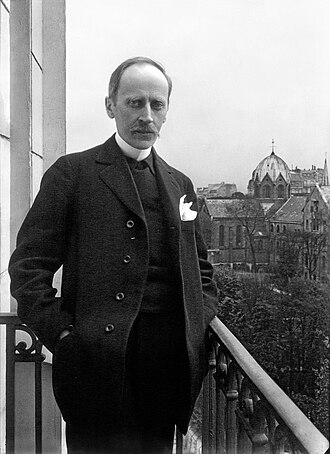 Romain Rolland
"[explaining to Ernie how April apologized to him] She just showed up at the factory, took off her coat, and begged me to take her. We made love in a way that Ive only ever seen in nature films."
 MouseHunt (film)
"Love is always love, come whence it may. A heart that beats at your approach, an eye that weeps when you go away are things so rare, so sweet, so precious that they must never be despised."
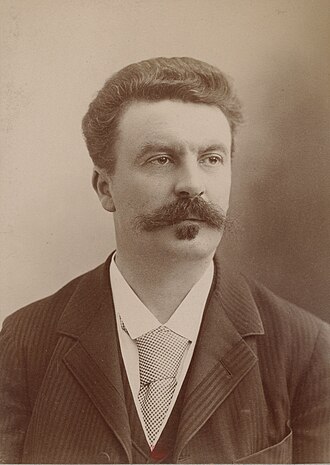 Guy de Maupassant
"He was obeyed, yet he inspired neither love nor fear, nor even respect. He inspired uneasiness. That was it! Uneasiness. Not a definite mistrust — just uneasiness — nothing more. You have no idea how effective such a... a... faculty can be. He had no genius for organizing, for initiative, or for order even. That was evident in such things as the deplorable state of the station. He had no learning, and no intelligence. His position had come to him — why? Perhaps because he was never ill . . . He had served three terms of three years out there . . . Because triumphant health in the general rout of constitutions is a kind of power in itself."