Quote
"Like a young eagle who has lent his plume To fledge the shaft by which he meets his doom, See their own feathers pluckd to wing the dart Which rank corruption destines for their heart."
 Thomas Moore
"Wert thou all that I wish thee, great, glorious, and free, First flower of the earth and first gem of the sea."
Thomas Moore was an Irish writer, poet, and lyricist, widely regarded in his lifetime as Ireland's "national bard". The acclaim rested primarily on the popularity of his Irish Melodies. In these, Moore set to old Irish tunes verses that spoke to a narrative of Irish dispossession, loss, and resistance. With his romantic work Lalla Rookh (1817), in which these same themes are explored in an elabora
"Like a young eagle who has lent his plume To fledge the shaft by which he meets his doom, See their own feathers pluckd to wing the dart Which rank corruption destines for their heart."
Thomas Moore"No, the heart that has truly loved never forgets, But as truly loves on to the close, As the sun-flower turns on her god when he sets The same look which she turnd when he rose."
Thomas Moore"Fly not yet; t is just the hour When pleasure, like the midnight flower That scorns the eye of vulgar light, Begins to bloom for sons of night And maids who love the moon."
Thomas Moore"Go where glory waits thee, But while fame elates thee, Oh! still remember me!"
Thomas Moore"Paradise itself were dim And joyless, if not shared with him!"
Thomas Moore"The bird let loose in Eastern skies, Returning fondly home, Neer stoops to earth her wing, nor flies Where idle warblers roam; But high she shoots through air and light, Above all low delay, Where nothing earthly bounds her flight, Nor shadow dims her way."
Thomas Moore"Now Art, used collectively for painting, sculpture, architecture and music, is the mediatress between, and reconciler of, nature and man. It is, therefore, the power of humanizing nature, of infusing the thoughts and passions of man into everything which is the object of his contemplation."
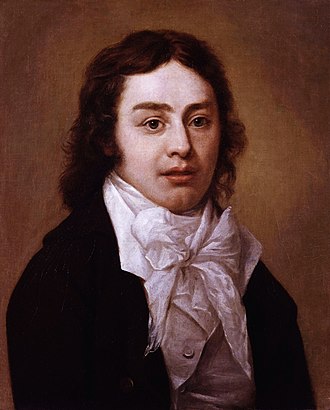 Samuel Taylor Coleridge
"The Good consists in the congruity of a thing with the laws of the reason and the nature of the will, and in its fitness to determine the latter to actualize the former: and it is always discursive. The Beautiful arises from the perceived harmony of an object, whether sight or sound, with the inborn and constitutive rules of the judgment and imagination: and it is always intuitive."
Samuel Taylor Coleridge"I believe that the unity of man as opposed to other living things derives from the fact that man is the conscious life of himself. Man is conscious of himself, of his future, which is death, of his smallness, of his impotence; he is aware of others as others; man is in nature, subject to its laws even if he transcends it with his thought."
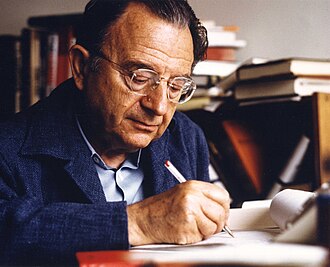 Erich Fromm
"Who made you glorious as the gates of heaven Beneath the keen full moon? Who bade the sun Clothe you with rainbows? Who, with living flower Of loveliest blue, spread garlands at your feet? God! let the torrents, like a shout of nations, Answer! and let the ice-plains echo, God! God! sing, ye meadow-streams, with gladsome voice! Ye pine-groves, with your soft and soul-like sounds! And they too have a voice, yon piles of snow, And in their perilous fall shall thunder, God!"
Samuel Taylor Coleridge"All Nature seems at work. Slugs leave their lair — The bees are stirring — birds are on the wing — And Winter slumbering in the open air, Wears on his smiling face a dream of Spring! And I the while, the sole unbusy thing, Nor honey make, nor pair, nor build, nor sing."
Samuel Taylor Coleridge"Taste is the intermediate faculty which connects the active with the passive powers of our nature, the intellect with the senses; and its appointed function is to elevate the images of the latter, while it realizes the ideas of the former."
Samuel Taylor Coleridge