Quote
"I am patient with stupidity but not with those who are proud of it."
E
Edith Sitwell"White as a winding sheet, Masks blowing down the street: Moscow, Paris London, Vienna — all are undone. The drums of death are mumbling, rumbling, and tumbling, Mumbling, rumbling, and tumbling, The worlds floors are quaking, crumbling and breaking."
Dame Edith Louisa Sitwell was a British poet and critic and the eldest of the three literary Sitwells. She reacted badly to her eccentric, unloving parents and lived much of her life with her governess. She never married but became passionately attached to Russian painter Pavel Tchelitchew, and her home was always open to London's poetic circle, to whom she was generous and helpful.
"I am patient with stupidity but not with those who are proud of it."
"Tall windows show Infinity; And, hard reality, The candles weep and pry and dance Like lives mocked at by Chance. The rooms are vast as Sleep within; When once I ventured in, Chill Silence, like a surging sea, Slowly enveloped me."
"The living blind and seeing Dead together lie As if in love . . . There was no more hating then, And no more love; Gone is the heart of Man."
"The flames of the heart consumed me, and the mind Is but a foolish wind."
"The great gold planet that is the mourning heat of the Sun Is greater than all gold, more powerful Than the tawny body of a Lion that fire consumes Like all that grows or leaps... so is the heart More powerful than all dust."
"The busy chatter of the heat Shrilled like a parakeet; And shuddering at the noonday light The dust lay dead and whiteAs powder on a mummys face, Or fawned with simian grace Round booths with many a hard bright toy And wooden brittle joy:The cap and bells of Time the Clown That, jangling, whistled down Young cherubs hidden in the guise Of every bird that flies;And star-bright masks for youth to wear, Lest any dream that fare — Bright pilgrim — past our ken, should see Hints of Reality."
"Now Art, used collectively for painting, sculpture, architecture and music, is the mediatress between, and reconciler of, nature and man. It is, therefore, the power of humanizing nature, of infusing the thoughts and passions of man into everything which is the object of his contemplation."
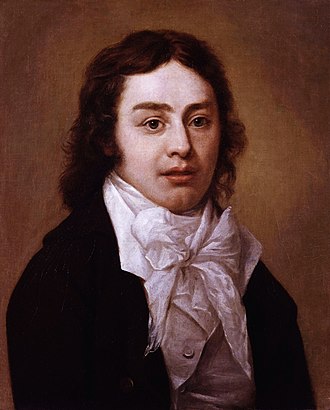 Samuel Taylor Coleridge
"The Good consists in the congruity of a thing with the laws of the reason and the nature of the will, and in its fitness to determine the latter to actualize the former: and it is always discursive. The Beautiful arises from the perceived harmony of an object, whether sight or sound, with the inborn and constitutive rules of the judgment and imagination: and it is always intuitive."
Samuel Taylor Coleridge"I believe that the unity of man as opposed to other living things derives from the fact that man is the conscious life of himself. Man is conscious of himself, of his future, which is death, of his smallness, of his impotence; he is aware of others as others; man is in nature, subject to its laws even if he transcends it with his thought."
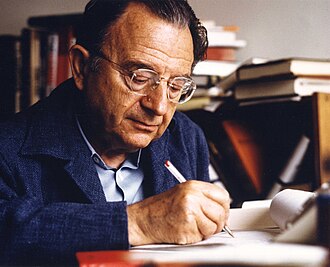 Erich Fromm
"Who made you glorious as the gates of heaven Beneath the keen full moon? Who bade the sun Clothe you with rainbows? Who, with living flower Of loveliest blue, spread garlands at your feet? God! let the torrents, like a shout of nations, Answer! and let the ice-plains echo, God! God! sing, ye meadow-streams, with gladsome voice! Ye pine-groves, with your soft and soul-like sounds! And they too have a voice, yon piles of snow, And in their perilous fall shall thunder, God!"
Samuel Taylor Coleridge"All Nature seems at work. Slugs leave their lair — The bees are stirring — birds are on the wing — And Winter slumbering in the open air, Wears on his smiling face a dream of Spring! And I the while, the sole unbusy thing, Nor honey make, nor pair, nor build, nor sing."
Samuel Taylor Coleridge"Taste is the intermediate faculty which connects the active with the passive powers of our nature, the intellect with the senses; and its appointed function is to elevate the images of the latter, while it realizes the ideas of the former."
Samuel Taylor Coleridge