Quote
"They who in folly or mere greed Enslaved religion, markets, laws, Borrow our language now and bid Us to speak up in freedoms cause."
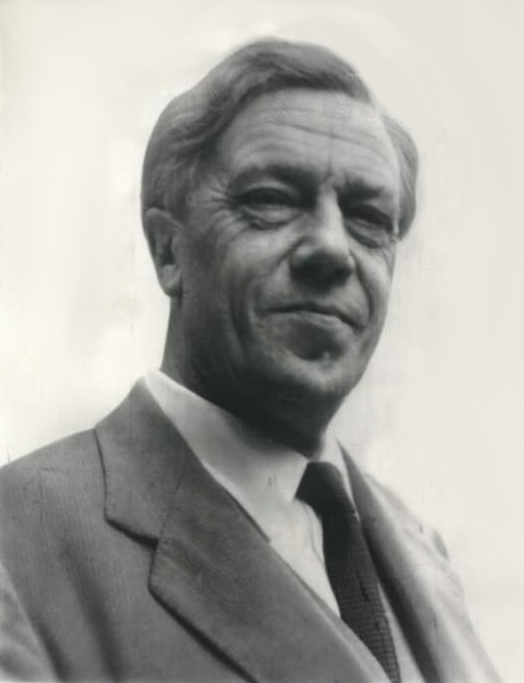 Cecil Day-Lewis
"Do not expect again the phoenix hour, The triple-towered sky, the doves complaining, Sudden the rain of gold and hearts first ease Traced under trees by the eldritch light of sundown."
Cecil Day-Lewis, often written as C. Day-Lewis, was an Anglo-Irish poet and Poet Laureate of the United Kingdom from 1968 until his death. He also wrote mystery stories under the pseudonym Nicholas Blake, most of which feature the fictional detective Nigel Strangeways.
"They who in folly or mere greed Enslaved religion, markets, laws, Borrow our language now and bid Us to speak up in freedoms cause."
Cecil Day-Lewis"Is it birthday weather for you, dear soul? Is it fine your way"
Cecil Day-Lewis"Its hard to believe a spirit could die Of such generous glow"
Cecil Day-Lewis"It is the logic of our times, No subject for immortal verse— That we who lived by honest dreams Defend the bad against the worse."
Cecil Day-Lewis"So feast your eyes now On mimic star and moon-cold bauble: Worlds may wither unseen, But the Christmas Tree is a tree of fable, A phoenix in evergreen"
Cecil Day-Lewis"Tempt me no more, for I Have known the lightnings hour, The poets inward pride, The certainty of power."
Cecil Day-Lewis"Now Art, used collectively for painting, sculpture, architecture and music, is the mediatress between, and reconciler of, nature and man. It is, therefore, the power of humanizing nature, of infusing the thoughts and passions of man into everything which is the object of his contemplation."
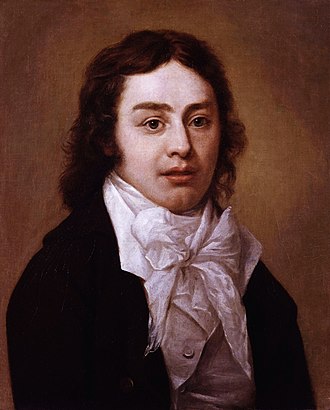 Samuel Taylor Coleridge
"The Good consists in the congruity of a thing with the laws of the reason and the nature of the will, and in its fitness to determine the latter to actualize the former: and it is always discursive. The Beautiful arises from the perceived harmony of an object, whether sight or sound, with the inborn and constitutive rules of the judgment and imagination: and it is always intuitive."
Samuel Taylor Coleridge"I believe that the unity of man as opposed to other living things derives from the fact that man is the conscious life of himself. Man is conscious of himself, of his future, which is death, of his smallness, of his impotence; he is aware of others as others; man is in nature, subject to its laws even if he transcends it with his thought."
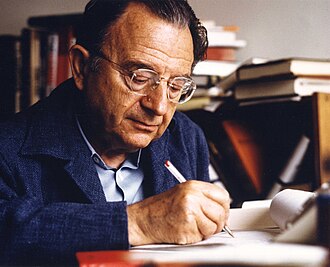 Erich Fromm
"Who made you glorious as the gates of heaven Beneath the keen full moon? Who bade the sun Clothe you with rainbows? Who, with living flower Of loveliest blue, spread garlands at your feet? God! let the torrents, like a shout of nations, Answer! and let the ice-plains echo, God! God! sing, ye meadow-streams, with gladsome voice! Ye pine-groves, with your soft and soul-like sounds! And they too have a voice, yon piles of snow, And in their perilous fall shall thunder, God!"
Samuel Taylor Coleridge"All Nature seems at work. Slugs leave their lair — The bees are stirring — birds are on the wing — And Winter slumbering in the open air, Wears on his smiling face a dream of Spring! And I the while, the sole unbusy thing, Nor honey make, nor pair, nor build, nor sing."
Samuel Taylor Coleridge"Taste is the intermediate faculty which connects the active with the passive powers of our nature, the intellect with the senses; and its appointed function is to elevate the images of the latter, while it realizes the ideas of the former."
Samuel Taylor Coleridge