Quote
"Laws and principles are not for the times when there is no temptation: they are for such moments as this, when body and soul rise in mutiny against their rigour ... If at my convenience I might break them, what would be their worth?"
"Gentle reader, may you never feel what I then felt? May your eyes never shed such stormy, scalding, heart-wrung tears as poured from mine. May you never appeal to Heaven in prayers so hopeless and so agonized as in that hour left my lips; for never may you, like me, dread to be the instrument of evil to what you wholly love."

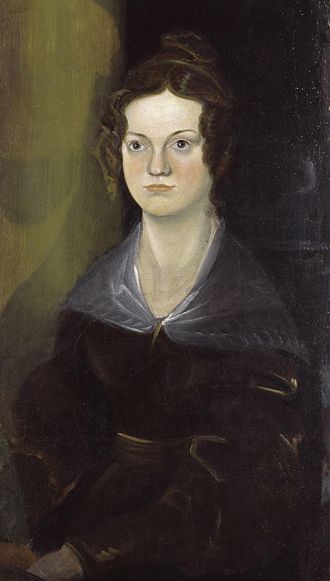
Charlotte Nicholls, commonly known by her maiden name Charlotte Brontë, was an English novelist and poet, and was the elder sister of Emily, Anne and Branwell Brontë. She is best known for her novel Jane Eyre, which was first published under the pseudonym Currer Bell. Jane Eyre was a great success on publication, and has since been acknowledged as a classic of English literature.
"Laws and principles are not for the times when there is no temptation: they are for such moments as this, when body and soul rise in mutiny against their rigour ... If at my convenience I might break them, what would be their worth?"
"But two miles more, and then we rest! Well, there is still an hour of day, And long the brightness of the West Will light us on our devious way; Sit then, awhile, here in this wood— So total is the solitude, We safely may delay."
"I can only say with deeper sincerity and fuller significance — what I have always said in theory — Wait Gods will."
"I avoid looking forward or backward, and try to keep looking upward."
"If we would build on a sure foundation in friendship, we must love friends for their sake rather than for our own."
"Yesterday I went for the second time to the Crystal Palace. We remained in it about three hours, and I must say I was more struck with it on this occasion than at my first visit. It is a wonderful place – vast, strange, new and impossible to describe. Its grandeur does not consist in one thing, but in the unique assemblage of all things. Whatever human industry has created you find there, from the great compartments filled with railway engines and boilers, with mill machinery in full work, with splendid carriages of all kinds, with harness of every description, to the glass-covered and velvet-spread stands loaded with the most gorgeous work of the goldsmith and silversmith, and the carefully guarded caskets full of real diamonds and pearls worth hundreds of thousands of pounds. It may be called a bazaar or a fair, but it is such a bazaar or fair as Eastern genii might have created. It seems as if only magic could have gathered this mass of wealth from all the ends of the earth – as if none but supernatural hands could have arranged it this, with such a blaze and contrast of colours and marvellous power of effect. The multitude filling the great aisles seems ruled and subdued by some invisible influence. Amongst the thirty thousand souls that peopled it the day I was there not one loud noise was to be heard, not one irregular movement seen; the living tide rolls on quietly, with a deep hum like the sea heard from the distance."
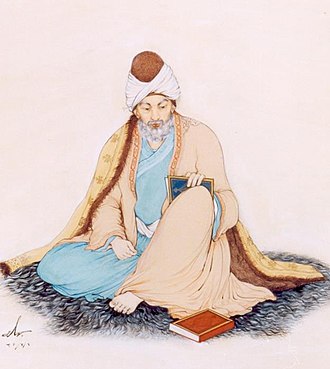
"The wound is the place where the Light enters you."
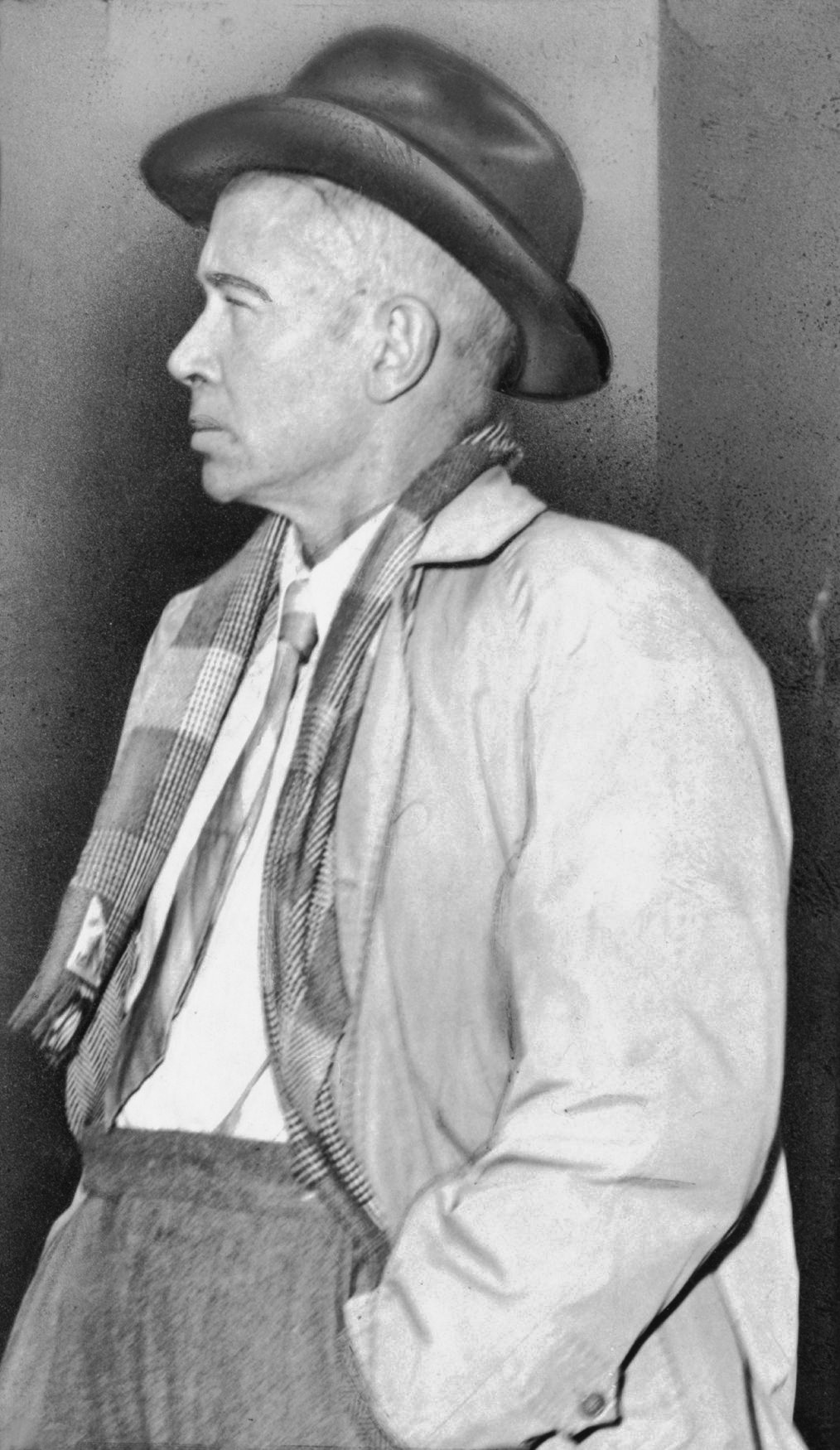
"yes is a pleasant country... love is a deeper season than reason"
"true lovers in each happening of their hearts live longer than all which and every who"
"What concerns me fundamentaly is a meteoric burlesk melodrama, born of the immemorial adage love will find a way."
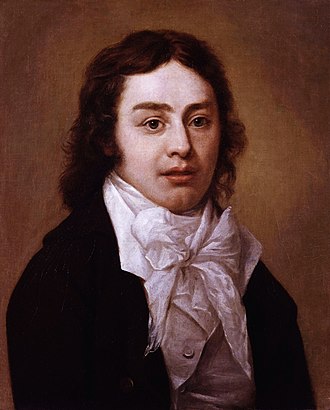
"Who made you glorious as the gates of heaven Beneath the keen full moon? Who bade the sun Clothe you with rainbows? Who, with living flower Of loveliest blue, spread garlands at your feet? God! let the torrents, like a shout of nations, Answer! and let the ice-plains echo, God! God! sing, ye meadow-streams, with gladsome voice! Ye pine-groves, with your soft and soul-like sounds! And they too have a voice, yon piles of snow, And in their perilous fall shall thunder, God!"
"Unchanged within, to see all changed without, Is a blank lot and hard to bear, no doubt. Yet why at others Wanings shouldst thou fret? Then only mightst thou feel a just regret, Hadst thou withheld thy love or hid thy light In selfish forethought of neglect and slight."