Quote
"Untie, liberate, and do not be afraid. He who is free is disarmed."
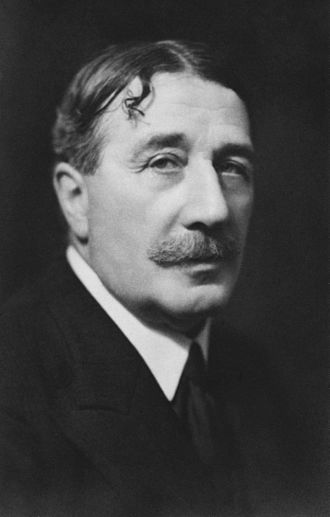 Émile Chartier
"Humanity will have to extricate itself from the bags created by false moralists, according to whom we taste happiness and then pass judgment on it, as if it were a piece of fruit. But I maintain that even for a piece of fruit we can do something to help it taste good. This is even truer of marriage and every other human relationship; these things are not meant to be tasted or passively accepted; they must be made. A relationship is not like a bit of shade where one is comfortable or uncomfortable depending on the weather and the way the wind is blowing. On the contrary, it is a place of miracles, where the magician makes the rain and the good weather."
Émile-Auguste Chartier, commonly known as Alain, was a French philosopher, journalist, essayist, pacifist, and teacher of philosophy.
"Untie, liberate, and do not be afraid. He who is free is disarmed."
Émile Chartier"It is very true that we ought to think of the happiness of others; but it is not often enough said that the best thing we can do for those who love us is to be happy ourselves."
Émile Chartier"When the pack is out hunting, the dogs do not fight among themselves."
Émile Chartier"Work is the best and worst of all things; the best of it is voluntary, the worst of it is servile."
Émile Chartier"Every menial condition is bearable as long as one can exercise authority over ones work and be assured that the job is permanent."
Émile Chartier"May the Gods, if they did not die of boredom, never give you one of those flat kingdoms to govern; may lead you through mountain paths; may they give you for a companion a good Andalusian mule with eyes like wells, a brow like an anvil, and who stops dead in his tracks because he sees the shadow his ears make on the road in front of him."
Émile Chartier"Now Art, used collectively for painting, sculpture, architecture and music, is the mediatress between, and reconciler of, nature and man. It is, therefore, the power of humanizing nature, of infusing the thoughts and passions of man into everything which is the object of his contemplation."
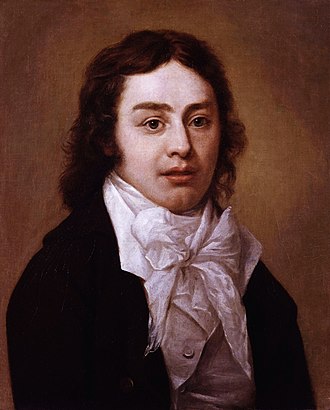 Samuel Taylor Coleridge
"The Good consists in the congruity of a thing with the laws of the reason and the nature of the will, and in its fitness to determine the latter to actualize the former: and it is always discursive. The Beautiful arises from the perceived harmony of an object, whether sight or sound, with the inborn and constitutive rules of the judgment and imagination: and it is always intuitive."
Samuel Taylor Coleridge"I believe that the unity of man as opposed to other living things derives from the fact that man is the conscious life of himself. Man is conscious of himself, of his future, which is death, of his smallness, of his impotence; he is aware of others as others; man is in nature, subject to its laws even if he transcends it with his thought."
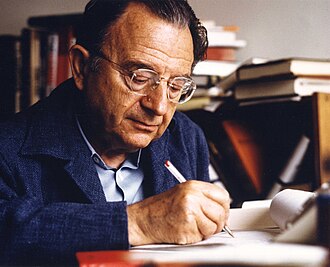 Erich Fromm
"Who made you glorious as the gates of heaven Beneath the keen full moon? Who bade the sun Clothe you with rainbows? Who, with living flower Of loveliest blue, spread garlands at your feet? God! let the torrents, like a shout of nations, Answer! and let the ice-plains echo, God! God! sing, ye meadow-streams, with gladsome voice! Ye pine-groves, with your soft and soul-like sounds! And they too have a voice, yon piles of snow, And in their perilous fall shall thunder, God!"
Samuel Taylor Coleridge"All Nature seems at work. Slugs leave their lair — The bees are stirring — birds are on the wing — And Winter slumbering in the open air, Wears on his smiling face a dream of Spring! And I the while, the sole unbusy thing, Nor honey make, nor pair, nor build, nor sing."
Samuel Taylor Coleridge"Taste is the intermediate faculty which connects the active with the passive powers of our nature, the intellect with the senses; and its appointed function is to elevate the images of the latter, while it realizes the ideas of the former."
Samuel Taylor Coleridge